3D printing, also known as additive manufacturing, is revolutionizing how we design, prototype, and manufacture objects. It builds parts layer by layer from digital models, offering flexibility and cost-efficiency across various industries. Several 3D printing techniques exist, each with its own strengths and limitations. Here are the most common types:
1. Fused Deposition Modeling (FDM)
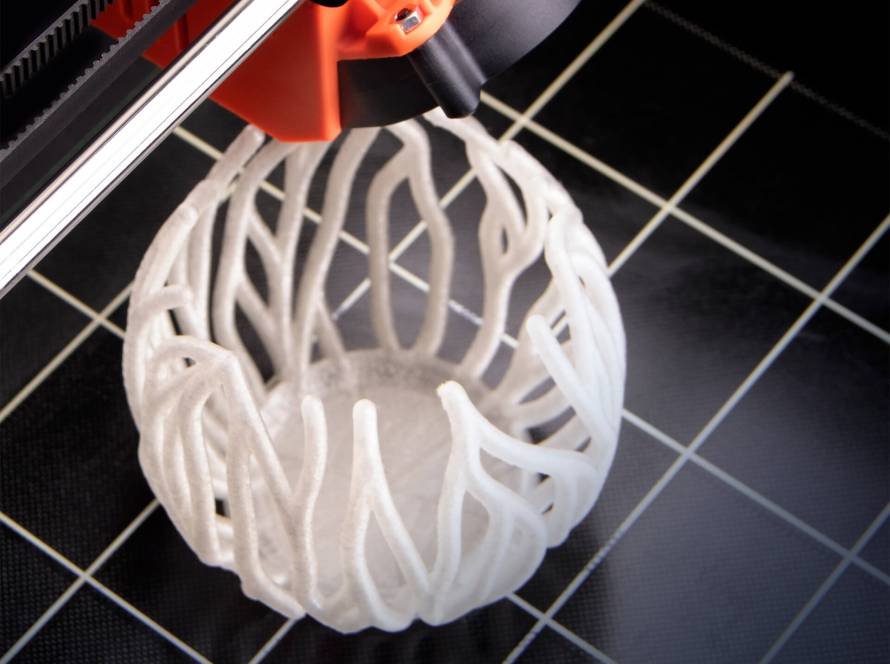
How it works: FDM printers melt thermoplastic filaments (like PLA or ABS) and deposit them layer by layer to create an object.
Advantages:
Low cost and widely available
Easy to use, suitable for beginners
Ideal for basic prototypes and models
Disadvantages:
Limited strength and surface finish
Not suitable for fine details
Prone to warping and layer lines
2. Stereolithography (SLA)
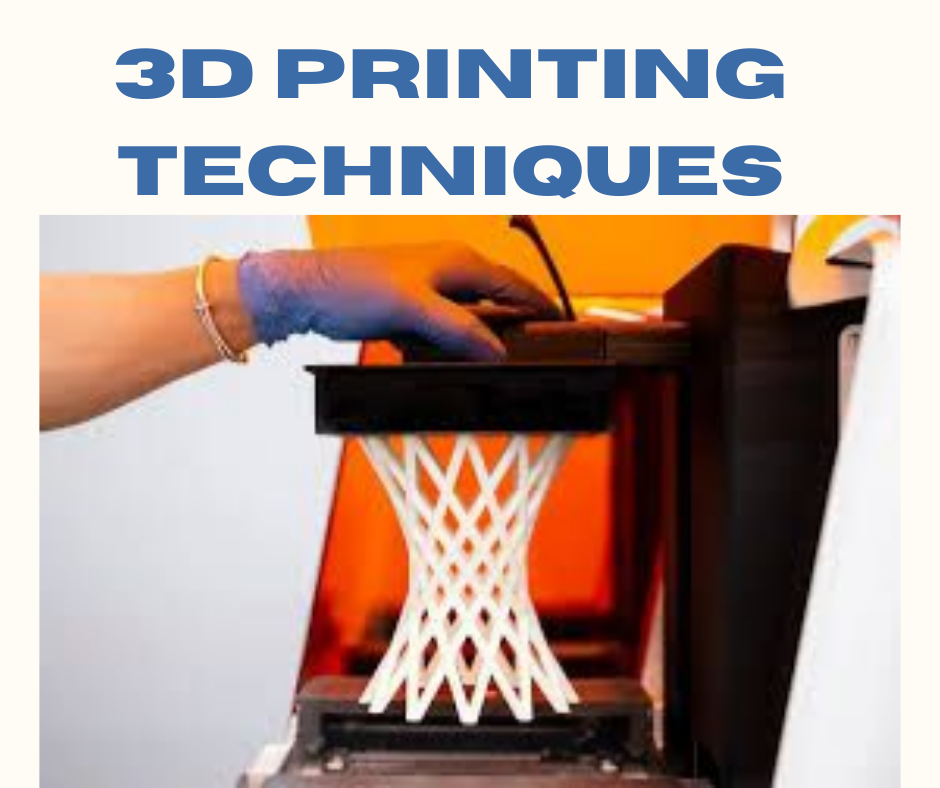
How it works: SLA uses a UV laser to cure liquid resin into solid layers, offering high precision and smooth finishes.
Advantages:
Extremely detailed and smooth prints
Excellent for miniatures, dental, and jewelry prototypes
Disadvantages:
Expensive materials and maintenance
Resin can be toxic and requires post-processing
3. Selective Laser Sintering (SLS)
How it works: SLS uses a laser to fuse powdered nylon or polymer materials, producing durable and complex parts.
Advantages:
No need for support structures
Strong, functional parts suitable for mechanical use
Disadvantages:
High equipment and material costs
Rough surface texture and more complex post-processing
4. Digital Light Processing (DLP)
How it works: Similar to SLA but uses a digital light projector instead of a laser to cure resin layers all at once.
Advantages:
Fast printing with high resolution
Ideal for detailed models
Disadvantages:
Fragile prints compared to SLS or FDM
Resin handling requires safety precautions
Conclusion
Each 3D printing technique serves different needs. FDM is perfect for affordable prototyping, while SLA and DLP are best for fine details. SLS offers strength and complexity for functional parts. Choosing the right method depends on the application, budget, and desired quality. As technology advances, 3D printing continues to open new doors in design, engineering, and manufacturing.